
Food guide
What can dogs eat?
From apples to onions: for 66 foods, we tell you whether your dog can eat them, what nutrients they contain and what to watch out for.
 Diarrhea or vomiting? How to make a bland diet: recipe, amount and duration.To the bland diet →To the bland diet →

The safety rating
Every food gets a general rating. Whether your dog tolerates it also depends on intolerances, weight and health.
Never feed
These foods are toxic to dogs. There is no safe amount.
Did your dog eat something toxic?
Call your vet or an emergency vet right away. Don't wait for symptoms to appear, and don't make your dog vomit yourself. Tell them what your dog ate, how much and when.
Was it chocolate? The chocolate calculator shows how dangerous the amount was.
In season now
Whatever is ripe in the garden or piled up at the market quickly ends up in front of your dog's nose.


All foods
66 of 66 foods
Fruit
 AppleSafeApple without the core is a crunchy, low-calorie snack that most dogs handle well.58 kcal / 100 gMore →
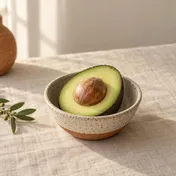 AvocadoDon't feedAvocado contains persin, is very high in fat, and the large pit can block the intestines.no nutrition factsMore →
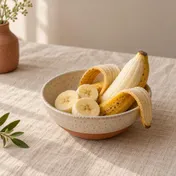 BananaSafeIn small amounts. Ripe, peeled banana is easy on the stomach and provides potassium and magnesium, but it's high in sugar. It works well as an occasional snack, not as a regular part of the bowl.79 kcal / 100 gMore →
 BlueberrySafeBlueberries are small, low in calories, and most dogs tolerate them well.61 kcal / 100 gMore →
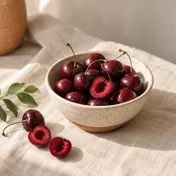 CherryIn moderationOnly pitted. The flesh is safe, but the pits, stems and leaves contain amygdalin, which releases cyanide.70 kcal / 100 gMore →
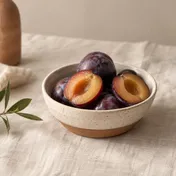 Damson plumIn moderationYes, pitted and in small amounts. Damson plums have a laxative effect.48 kcal / 100 gMore →
 GrapeDon't feedGrapes and raisins can cause acute kidney failure in dogs. There is no safe amount. Even a few grapes can be dangerous.no nutrition factsMore →
 KiwiSafePeeled and cut into small pieces. Kiwi is tart, so not every dog likes it.61 kcal / 100 gMore →
 MangoSafePeeled and without the pit. Ripe mango is soft, and most dogs love it.60 kcal / 100 gMore →
 OrangeIn moderationYes, in small amounts, peeled and with the seeds removed. Citrus fruits are acidic and don't agree with every dog.49 kcal / 100 gMore →
 PeachIn moderationThe flesh, yes. The pit, never. It contains amygdalin and can block the intestines.39 kcal / 100 gMore →
 PearSafeRipe and without the core. Pears are soft, sweet and usually easy on the stomach.58 kcal / 100 gMore →
 PineappleSafeYes, fresh and in small pieces. Skip canned pineapple, it's usually packed in sugary syrup.46 kcal / 100 gMore →
 PlumIn moderationYes, pitted and in small amounts. The pit, stem and leaves never belong in the bowl.48 kcal / 100 gMore →
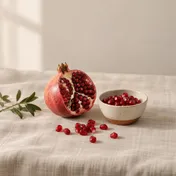 PomegranateIn moderationA few seeds at most. Pomegranate isn't toxic, but the peel, stem and lots of seeds can cause constipation or an intestinal blockage.79 kcal / 100 gMore →
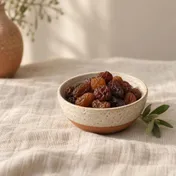 RaisinDon't feedRaisins are dried grapes, and even small amounts can damage your dog's kidneys.no nutrition factsMore →
 RaspberrySafeIn small amounts. Raspberries contain traces of natural xylitol, so stick to a handful.43 kcal / 100 gMore →
 StrawberrySafeIn small amounts. A few washed strawberries make a great summer snack.38 kcal / 100 gMore →
 TangerineIn moderationYes, in small amounts. One or two segments are fine, but more can upset your dog's stomach because of the acid and sugar.53 kcal / 100 gMore →
 WatermelonSafeWithout the seeds and rind. Watermelon is more than 90% water and makes a refreshing treat on hot days.35 kcal / 100 gMore →
Vegetables
 AsparagusSafeYes, cooked and cut into small pieces. Raw asparagus is tough and hard to chew.16 kcal / 100 gMore →
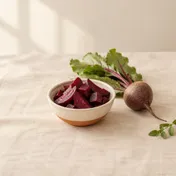 BeetIn moderationYes, cooked and in small amounts. Beets are high in oxalic acid, so skip them if your dog is prone to bladder stones.58 kcal / 100 gMore →
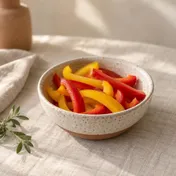 Bell pepperSafeRipe red or yellow bell peppers without the stem and seeds. Green bell peppers are unripe and harder to digest.36 kcal / 100 gMore →
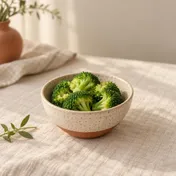 BroccoliIn moderationYes, cooked and in small amounts. Raw broccoli causes gas, and in large amounts its mustard oils irritate the stomach.33 kcal / 100 gMore →
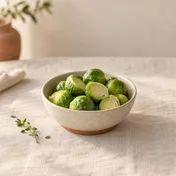 Brussels sproutIn moderationYes, cooked, chopped small and in small amounts. Brussels sprouts cause a lot of gas, and whole sprouts can get stuck.47 kcal / 100 gMore →
 CarrotSafeRaw carrots make a great crunchy snack. Cooked or pureed, they let your dog make better use of the beta-carotene.40 kcal / 100 gMore →
 CauliflowerSafeCooked. Raw cauliflower causes a lot of gas.37 kcal / 100 gMore →
 CucumberSafeCucumber is almost all water, very low in calories, and a great snack for dogs who need to lose weight.16 kcal / 100 gMore →
 GarlicDon't feedLike onions, garlic belongs to the allium family and damages red blood cells, even in powdered form.no nutrition factsMore →
 KohlrabiIn moderationCooked and in small amounts. There are no studies on kohlrabi in dogs specifically, so this verdict is based on what we know about cabbage-family vegetables.28 kcal / 100 gMore →
 OnionDon't feedOnions destroy red blood cells and can cause anemia, whether raw, cooked, dried or powdered.no nutrition factsMore →
 PeaSafeFresh or frozen green peas in small amounts. No canned peas with added salt.87 kcal / 100 gMore →
 PotatoIn moderationOnly cooked. Raw potatoes and green spots contain solanine. Cooked and peeled, they're an easily digestible source of carbohydrates.76 kcal / 100 gMore →
 PumpkinSafeCooked and without the skin. Edible squash like Hokkaido is easy to digest and rich in fiber.30 kcal / 100 gMore →
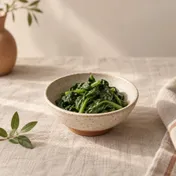 SpinachIn moderationYes, in small amounts and cooked. Spinach is high in oxalic acid, which can be a problem for dogs prone to bladder stones.22 kcal / 100 gMore →
 Sweet potatoSafeCooked. Sweet potato is easy on the stomach and high in fiber.65 kcal / 100 gMore →
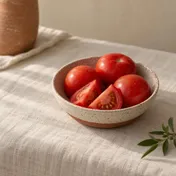 TomatoIn moderationOnly ripe, red ones, and only in small amounts. Green tomatoes and the green parts of the plant contain solanine, which is toxic to dogs.22 kcal / 100 gMore →
 ZucchiniSafeRaw or cooked. Zucchini is mild, low in calories and easy on the stomach.22 kcal / 100 gMore →
Meat & Fish
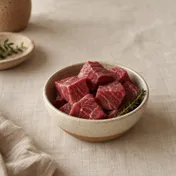 BeefSafeBeef is a high-quality source of protein and can be part of a balanced meal, but on its own it doesn't cover all the nutrients your dog needs.124 kcal / 100 gMore →
 ChickenSafeCooked chicken breast without skin or bones is easy on the stomach and a bland diet classic.116 kcal / 100 gMore →
 Cooked bonesDon't feedCooked or roasted bones turn brittle, splinter, and can injure your dog's mouth, esophagus, and intestines.no nutrition factsMore →
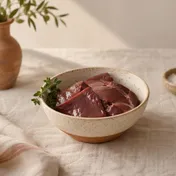 LiverIn moderationYes, but sparingly. Liver is very high in vitamin A, and too much of it harms bones and joints over time.112 kcal / 100 gMore →
 PorkIn moderationOnly when thoroughly cooked. Raw pork can carry the Aujeszky's disease virus, which is fatal to dogs.345 kcal / 100 gMore →
 SalmonSafeCooked and boneless. Salmon provides omega-3 fatty acids.163 kcal / 100 gMore →
 TunaIn moderationRarely and in small amounts. Tuna can build up mercury.134 kcal / 100 gMore →
Dairy & Eggs
 CheeseIn moderationYes, in small amounts. Cottage cheese and low-lactose hard cheese are fine, but many cheeses are very high in fat and salt.379 kcal / 100 gMore →
 Cottage cheeseIn moderationIn small amounts, yes. Cottage cheese is low in fat, but it contains lactose and salt, which not every dog handles well.73 kcal / 100 gMore →
 EggSafeCooked, yes. Eggs are a high-quality source of protein. Raw egg white shouldn't end up in the bowl on a regular basis.144 kcal / 100 gMore →
 MilkIn moderationBetter not. Many adult dogs don't handle lactose well and get diarrhea. Lactose-free milk is easier to digest.62 kcal / 100 gMore →
 QuarkSafeLow-fat quark in small amounts. It has less lactose than milk and provides protein and calcium.66 kcal / 100 gMore →
 YogurtIn moderationPlain yogurt in small amounts, yes. Never give yogurt with artificial sweeteners, since it can contain xylitol.67 kcal / 100 gMore →
Grains & Sides
 BreadIn moderationA piece of old, dry bread rarely hurts, but it doesn't do any good either. Raw yeast dough, on the other hand, is dangerous.no nutrition factsMore →
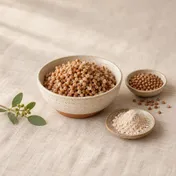 BuckwheatIn moderationOnly rarely and in small amounts, if at all. A study from LMU Munich found liver disease far more often in dogs that were fed buckwheat and advises against it.115 kcal / 100 gMore →
 OatmealSafeSoaked or cooked. Oats are an easy-to-digest source of carbohydrates.66 kcal / 100 gMore →
 RiceSafeYes, cooked well. Rice is easy to digest, and with chicken it's the classic bland diet.117 kcal / 100 gMore →
Nuts & Seeds
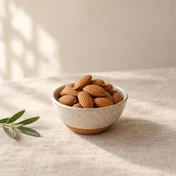 AlmondsIn moderationSweet almonds aren't toxic, but they're very high in fat. One at most, unsalted. Never bitter almonds.544 kcal / 100 gMore →
 MacadamiaDon't feedMacadamia nuts are toxic to dogs. As little as 0.7 g per 1 kg of body weight can cause poisoning, with weakness in the hind legs, trembling and vomiting.no nutrition factsMore →
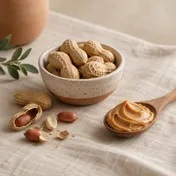 PeanutIn moderationYes, unsalted and in small amounts. Peanut butter only if it has no salt, sugar or xylitol.620 kcal / 100 gMore →
 WalnutDon't feedFresh or unripe walnuts can contain mold that produces a toxin. This toxin is highly toxic to dogs.no nutrition factsMore →
Sweets & Other
 AlcoholDon't feedEven small amounts of alcohol can cause low blood sugar, breathing problems and coma in dogs.no nutrition factsMore →
 ChocolateDon't feedChocolate contains theobromine and caffeine, which attack a dog's heart and nervous system. The darker the chocolate, the more toxic it is.no nutrition factsMore →
 CinnamonIn moderationA pinch of cinnamon is usually fine, ideally Ceylon cinnamon. Cassia cinnamon contains a lot of coumarin, which damages the liver. Cinnamon oil is off-limits.247 kcal / 100 gMore →
 CoffeeDon't feedCaffeine hits a dog's heart and nervous system hard, and that includes ground coffee, coffee pods and energy drinks.no nutrition factsMore →
 HoneyIn moderationOnly in very small amounts. Honey is almost pure sugar.no nutrition factsMore →
 PopcornIn moderationA few plain pieces are fine if they're unsalted, unsweetened and butter-free. Movie theater popcorn is not.no nutrition factsMore →
 XylitolDon't feedHighly toxic. Xylitol makes blood sugar crash within minutes and can damage the liver, even in small amounts.no nutrition factsMore →
Rule of thumb
Snacks: no more than 10% of the day
Even safe fruits and vegetables have calories. Everything that isn't the main food should add up to no more than a tenth of the daily energy needs. The food in the bowl provides the rest.
Calculated the same way as in the Kahuno app: resting energy requirement 70 × ideal weight0.75, times 1.6 for a normally active dog.
Source: WSAVA, "Feeding treats to your dog". Treats should make up less than 10% of daily calories. This limit doesn't apply to meals.
| Ideal weight | Daily energy needs | Snack budget | ≈ banana |
|---|---|---|---|
| 5 kg | 374 kcal | 37 kcal | 45 g |
| 10 kg | 630 kcal | 63 kcal | 80 g |
| 20 kg | 1,059 kcal | 106 kcal | 135 g |
| 30 kg | 1,436 kcal | 144 kcal | 180 g |
| 40 kg | 1,781 kcal | 178 kcal | 225 g |
For diarrhea and vomiting
Bland diet for dogs
Recipe, daily amount by weight, how long to feed it and when your dog needs to see the vet instead.
For home cooking and raw feeding (BARF)
Homemade dog food nutrition chart
870 foods with energy, macros, minerals and vitamins per 100 g, ready to filter and sort.
Safety rating for each dog
Does your dog know what it can't tolerate? Kahuno does.
The safety rating above applies to all dogs. In Kahuno, you add your dog's intolerances to its profile, and every ingredient gets a color-coded dot when you log it, checked for exactly this dog.