Cookies, Nuts, Cinnamon: What Dogs Can't Eat at Christmas
During the holidays, there's something that smells good everywhere you look. Which cookie ingredients are toxic to dogs, which are fine only in moderation, and what to do when the plate is empty.
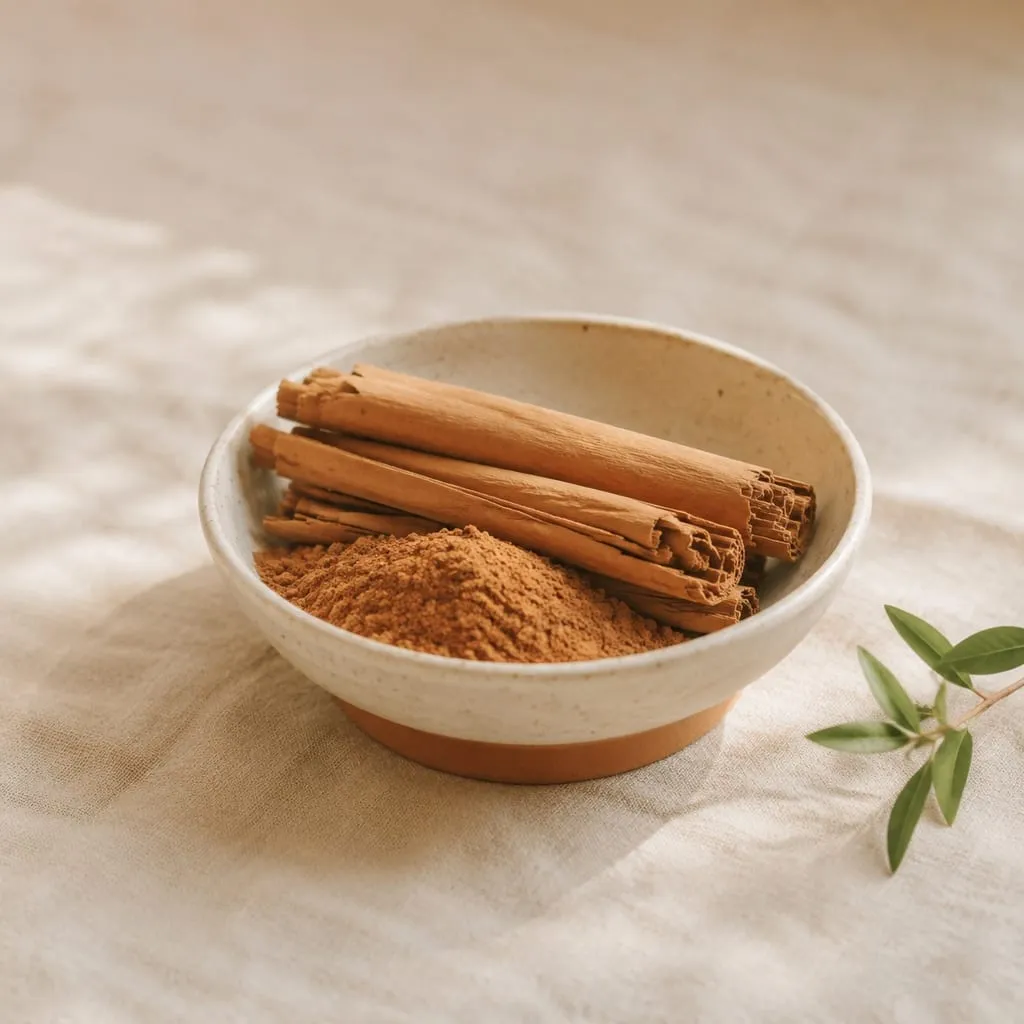 AI image
Cookie tins, stollen, nutshells and the roast on the table: during the holidays, your dog can get at more than usual. Most cookie ingredients are harmless, but some are toxic. Here are the most important ones, sorted by danger.
Toxic: keep these away from your dog
- Chocolate and cocoa. They contain theobromine. The darker the chocolate, the higher the risk (ASPCA). The chocolate calculator shows how dangerous the amount eaten is for your dog's weight.
- Raisins, sultanas and grapes in stollen, fruit bread and granola. According to the ASPCA, they can damage the kidneys (raisins, grapes).
- Macadamia nuts. In dogs, they can cause weakness, wobbly walking, vomiting, tremors and a raised body temperature (ASPCA). According to an article in Thieme Tiermedizin, as little as about 0.7 g per kg of body weight is enough.
- Xylitol in sugar-free baked goods, gum and candy. According to the ASPCA, it can cause low blood sugar and liver damage.
- Bitter almonds and bitter almond extract. They release hydrogen cyanide. Poisoning often starts just 10 to 60 minutes after eating (Merck Veterinary Manual).
- Alcohol in eggnog liqueur, rum balls, liqueur chocolates and punch. According to the ASPCA, it can cause vomiting and is absorbed quickly.
- Onions and garlic in gravy, stuffing and broth. According to the ASPCA, they damage red blood cells.
Only in moderation, or better not at all
- Cinnamon. A pinch is usually not a problem. According to the Pet Poison Helpline, the powder usually only causes trouble at more than a teaspoon. But according to the BfR, cassia cinnamon contains a lot of coumarin, which damages the liver. Inhaled powder irritates the lungs.
- Nuts. Sweet almonds aren't toxic, but nuts like almonds, pecans and walnuts are very fatty and, according to the ASPCA, can cause vomiting, diarrhea and pancreatitis.
- Leftover roast and fatty food. Large amounts of table scraps are a common trigger of pancreatitis (Merck Veterinary Manual).
- Salty snacks. Lots of salt makes dogs thirsty and, according to the ASPCA, can lead to vomiting, diarrhea and seizures.
What to do when the plate is empty
- Clear away what's left so your dog can't keep eating.
- Find the packaging or recipe: what was in it, and how much is missing?
- Write down your dog's weight and the time.
- Call your vet or the emergency vet. For chocolate, check the chocolate calculator first.
- Don't make your dog vomit on your own. Your vet decides that.
Safe treats: bake your own
If you want to treat your dog at Christmas, bake your own cookies. You'll find a recipe with calories per cookie and a list of safe ingredients in Homemade dog treats.
This post is not a substitute for veterinary advice. If your dog has eaten something toxic, call your vet or an emergency vet.

Kahuno looks after your dog with you.
Log feedings, keep an eye on daily needs. Free on the App Store and Google Play.
Sources
- ASPCA Animal Poison Control: People Foods to Avoid Feeding Your Pets. Sections on Alcohol, Chocolate, Grapes and Raisins, Macadamia Nuts, Nuts, Onions, Garlic, Chives, Xylitol and Salt. Retrieved Oct 24, 2026
- Merck Veterinary Manual: Chocolate Toxicosis in Animals (C. Hayes, ASPCA Animal Poison Control Center), Februar 2026. Gehalte, Grenzwerte, Symptome und Behandlung
- Rückert C. Intoxikationen: Wie gefährlich bereits eine einzige Nuss sein kann. Thieme Tiermedizin, 10.12.2025. Macadamianüsse, toxische Dosis 0,7 bis 4,9 g/kg Körpergewicht
- ASPCA: Internet Myths and Rumors, Pet Toxin Edition (23.08.2016). Section “MYTH: Almonds are toxic to my pet”, sweet vs. bitter almonds. Retrieved Oct 24, 2026
- Merck Veterinary Manual: Houseplants and Ornamentals Toxic to Animals (Nov 2023). Section “Toxicity to Animals of Cyanogenic Glycoside Plants”, onset of poisoning after 10 to 60 minutes. Retrieved Oct 24, 2026
- Pet Poison Helpline: Nutmeg and Cinnamon Toxicity. Section “Cinnamon”, more than 1 teaspoon of powder, inhalation. Retrieved Oct 24, 2026
- BfR: Fragen und Antworten zu Cumarin in Zimt und anderen Lebensmitteln (27.09.2012). Coumarin content of cassia and Ceylon cinnamon. Retrieved Oct 24, 2026
- Merck Veterinary Manual: Pancreatitis and Other Disorders of the Pancreas in Dogs. Section “Inflammation of the Pancreas”, table scraps as a risk factor. Retrieved Oct 24, 2026